
Blog
Masgonzola: The Ultimate Creamy Blue Cheese Guide

What Is Masgonzola?
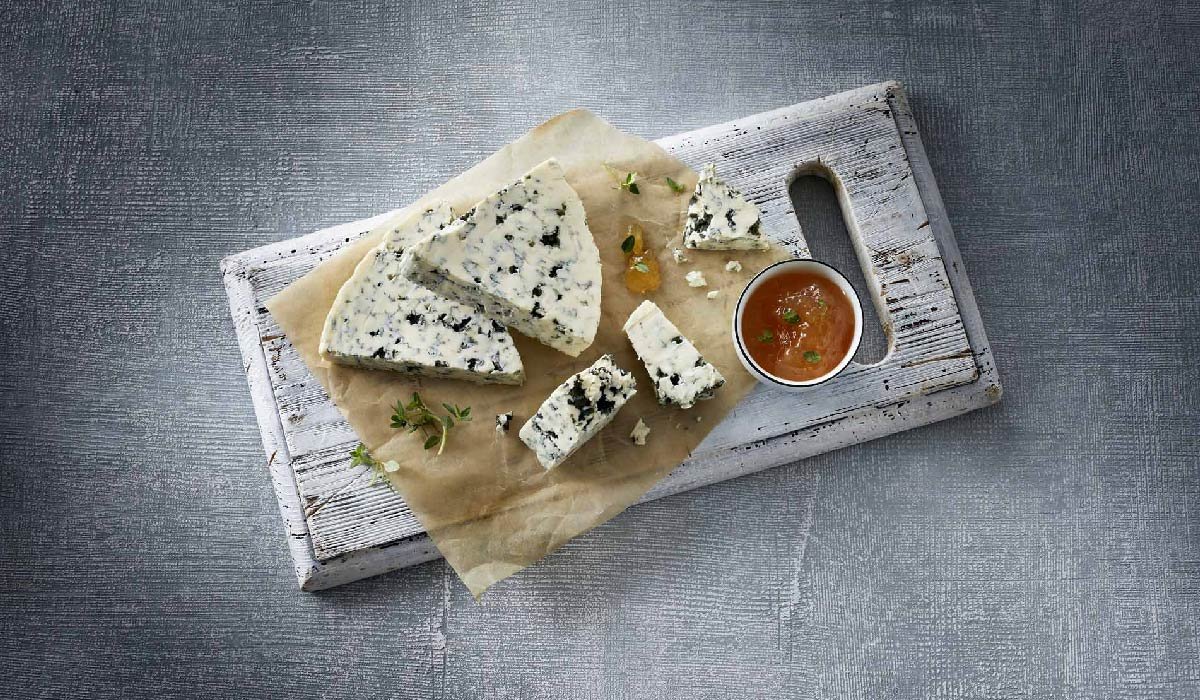
Masgonzola is an emerging cheese concept that bridges the gap between classic blue cheeses and modern gourmet sensibilities. Though it’s not yet an officially registered cheese, Masgonzola is gaining momentum in the culinary world for its rich, creamy texture, mild tang, and artisanal character.
Inspired by traditional Italian cheesemaking—particularly the iconic Gorgonzola—Masgonzola has evolved as a softer, more accessible alternative that appeals to both gourmet enthusiasts and casual food lovers. Often imagined as semi-soft, beautifully marbled with delicate blue veining, and indulgently creamy, Masgonzola has become a buzzword in food blogs, recipe boards, and culinary branding discussions.
In this comprehensive guide, we’ll explore everything from its origin story and flavor profile to its culinary uses, storage tips, and its potential as a future food trend that defines a new wave of blue cheese experiences.
The Origins of Masgonzola
A Modern Twist on Italian Heritage
The story of Masgonzola begins not in a centuries-old cheesemaking registry, but in the creative minds of modern culinary enthusiasts looking for something new yet rooted in tradition. Born from the desire to offer a more approachable version of strong blue cheeses, Masgonzola pays homage to Gorgonzola, one of Italy’s most beloved dairy exports. While Gorgonzola is known for its bold punch and often intense flavor, Masgonzola reinvents that experience by softening the edges. It represents a fresh interpretation of Italian cheese heritage—one that respects craftsmanship while embracing creativity.
Food innovators and small-batch cheesemakers are exploring this idea, responding to consumer demand for cheeses that are both luxurious and versatile. Masgonzola is, in many ways, the contemporary answer to a timeless tradition, making blue cheese more accessible without sacrificing depth of flavor.
Linguistic and Branding Background
The term “Masgonzola” itself is a clever linguistic construct. The prefix “Mas-” suggests more, creamier, and fuller—while the “-gonzola” suffix instantly recalls the rich legacy of Gorgonzola cheese. This blend of familiarity and freshness makes the name both memorable and marketable. It’s no surprise that Masgonzola is now showing up in food blog titles, artisanal product lines, and gourmet recipe trends across the internet.
The phonetic elegance of the name enhances its appeal—it sounds authentic, sophisticated, and inherently gourmet. This unique branding potential gives Masgonzola a distinct identity, even as it remains loosely defined in the official world of cheese production. For marketers, food writers, and chefs alike, Masgonzola provides a flexible, imaginative term that can be adapted and celebrated in countless culinary contexts.
Masgonzola vs Gorgonzola: Key Differences
Texture and Creaminess
One of the most distinguishing features of Masgonzola is its texture. Unlike traditional Gorgonzola Piccante, which is often crumbly and sharp, Masgonzola leans toward a velvety, semi-soft consistency that melts gracefully on the tongue. It has a spreadable, almost mousse-like texture in its younger forms, making it an excellent candidate for sauces, dips, and gourmet spreads.
This level of creaminess appeals to a broader audience, including those who might shy away from the bold textures of classic blue cheeses. Whether served on crackers or melted into pasta, the smooth mouthfeel of Masgon zola is one of its strongest qualities, bringing luxury and comfort together in each bite.
Flavor Profile
Flavor is where Masgonzola truly shines as a hybrid innovation. Traditional Gorgonzola delivers a sharp, pungent taste with a spicy kick and a strong aftertaste—something cheese connoisseurs adore, but casual eaters may find overpowering. Masgonzola softens this experience by offering a subtler, more refined flavor.
It carries notes of cultured cream, mild tang, and delicate mushroom-like earthiness. A hint of salt balances its sweetness, and its blue mold veins contribute just enough complexity without overwhelming the palate. This makes it ideal for pairing with both savory and sweet accompaniments and opens it up to a wider range of culinary applications.
Culinary Flexibility
Gorgonzola’s intensity limits its use in some recipes—it can easily dominate a dish. Masgonzola, by contrast, is versatile and complementary. It integrates effortlessly into sauces, balances well on cheese boards, and enhances both modern and traditional dishes without stealing the spotlight. From baked stuffed figs to mascarpone-style desserts, Masgon zola’s culinary flexibility is part of its charm. It acts as both a hero ingredient and a supporting character, adapting to its culinary environment with grace.
How Masgonzola Is Made
Step-by-Step Traditional Production
Although there is no standardized process for producing Masgonzola yet, its imagined production draws from time-honored blue cheese techniques. The journey begins with fresh, high-quality cow’s milk, often sourced from grass-fed herds in Italy or similar regions. This milk is gently heated, and a natural coagulant such as rennet is added to initiate curdling. Once the curds form, they’re cut into small pieces to release whey, then stirred and drained.
The curds are transferred into round molds where they’re allowed to set under minimal pressure to retain their moisture-rich, creamy texture. At this point, Penicillium roqueforti cultures are introduced to promote the signature blue veining. Salt is added not only for flavor but also as a preservation aid, and the cheeses are then moved to cool, humid aging environments.
Aging and Mold Development
The aging process is what elevates Masgonzola from a basic cheese to a gourmet indulgence. Typically aged for 2 to 3 months, the cheese develops a delicate bloom of blue-green veins throughout its body. The specific mold used in Masgon zola contributes to its milder flavor, compared to the sharper strains used in other blue cheeses.
During aging, the cheese is periodically pierced to allow oxygen to enter, encouraging the internal mold growth that creates those marbled patterns. This careful handling ensures an even distribution of flavor and an interior that remains creamy and aromatic. The result is a cheese that balances the richness of cream with the complexity of natural fermentation.
Types of Masgonzola Cheese
Masgonzola Dolce
Masgonzola Dolce is the sweet, gentle variation of this cheese. It’s soft, almost spreadable, with barely-there tanginess and a clean, buttery finish. Perfect for dessert pairings, this version can be served with fresh figs, honey, or even whipped into mascarpone-based frostings. It’s also a welcome addition to brunch boards, artisan sandwiches, and light salads.
Masgonzola Classico
Masgonzola Classico represents the balanced, everyday version—ideal for cooking and general use. It’s firm enough to slice but soft enough to melt. This version works well in pasta dishes, flatbreads, risottos, or even grilled cheese sandwiches with a gourmet twist. Its flavor is stronger than the Dolce but still approachable for those new to blue cheese.
Aged Masgonzola
For the experienced palate, Aged Masgon zola offers a sharper, crumblier version with robust flavor. The aging process enhances its savory, nutty notes while still maintaining a touch of creaminess. It pairs beautifully with robust red wines and smoked meats and holds its own on any cheese board.
Masgonzola’s Flavor and Texture Profile
Flavor Notes
Masgonzola’s flavor is defined by its soft complexity—starting with creamy dairy richness and finishing with a subtle tang. You may notice hints of cultured butter, forest mushrooms, and just a whisper of the signature blue mold sharpness. There’s an underlying sweetness, making it well suited to pair with fruits and nuts. Its mild yet mature character makes Masgon zola an inviting gateway cheese for anyone hesitant about strong blues.
Texture
In terms of texture, Masgonzola is a dream for chefs and cheese lovers alike. Its body is semi-soft, sometimes bordering on spreadable, yet it holds structure enough for slicing or crumbling. When warmed, it melts into sauces with ease, creating silky textures that coat pasta or vegetables evenly. Even when served cold, it remains smooth on the tongue—never gritty or overly pungent.
Culinary Uses of Masgonzola
Masgonzola in Pasta & Sauces
One of the best ways to use Masgonzola is in pasta. Its melting properties make it ideal for cream sauces—combine with garlic, shallots, and a splash of white wine for a luxurious result. Pair it with spinach, mushrooms, or roasted walnuts for added depth. It brings refinement to fettuccine, penne, gnocchi, and baked ziti alike.
Gourmet Pizza & Flatbreads
Masgonzola on pizza is a revelation. It balances beautifully with sweet and salty toppings like caramelized onions, figs, and prosciutto. Use it as the base cheese or sprinkle it after baking for a bold yet creamy finish. Flatbreads with pear slices, arugula, and a Masgon zola drizzle are restaurant-worthy creations easily made at home.
Salads & Appetizers
Crumbled Masgonzola adds a gourmet touch to green salads, especially those with beets, apples, or balsamic glazes. It also works well on crostini—layered with tomato jam, pear slices, or even grilled mushrooms. Masgon zola’s mellow flavor elevates appetizers without overwhelming them.
Unique Desserts
Dessert lovers can experiment with Masgonzola too. Try incorporating it into cheesecakes for a savory twist, or serve alongside honey and fruit preserves on a cheese platter. When balanced with sweet elements, Masgon zola takes on a luxurious, indulgent character that feels both familiar and novel.
Nutritional Profile of Masgonzola
Macros and Nutrients
Masgonzola, like most cheeses, is rich in protein and calcium. It offers essential nutrients like Vitamin A, Vitamin B12, and phosphorus. Its probiotic content supports gut health thanks to the fermentation process. Though creamy, its fat content can vary depending on aging and milk source, making it possible to choose leaner or full-fat versions based on your dietary preferences.
Dietary Considerations
This cheese concept fits well into low-carb and keto lifestyles. However, because it is still a dairy product, those with lactose sensitivity should seek lactose-free artisan adaptations. Moderation is key—Masgon zola is calorie-dense but satisfying, so a little goes a long way in flavor enhancement without overwhelming your daily intake.
How to Serve and Store Masgonzola
Serving Tips
Serving Masgonzola correctly can dramatically enhance its flavor, aroma, and overall eating experience. Like most semi-soft and blue-style cheeses, Masgon zola performs best when allowed to breathe before consumption. Removing it from the refrigerator and letting it sit at room temperature for approximately 15 to 20 minutes helps soften its texture and release its complex aromatic compounds. This short resting period allows the creamy interior to become more supple and expressive, revealing subtle notes of butter, cultured cream, and mild earthiness.
Masgonzola shines on cheese platters when paired with natural accompaniments such as honey, figs, pears, walnuts, and rustic breads. Its mild profile also makes it suitable as a standalone tasting cheese, where its smooth mouthfeel and balanced tang can be fully appreciated without distraction. For entertaining, Masgon zola works exceptionally well as a centerpiece cheese that invites both experienced cheese lovers and hesitant newcomers.
Storage Guidelines
Proper storage is essential to preserve the quality and flavor of Masgonzola. Because it is a mold-ripened cheese, it needs to remain slightly breathable while being protected from excessive moisture loss. Wrapping Masgon zola in cheese paper or wax paper is ideal, as this allows airflow while preventing drying. Plastic wrap should be avoided for long-term storage, as it can trap moisture and negatively affect the cheese’s texture and flavor.
Masgonzola should be stored in the cheese drawer or a low-humidity section of the refrigerator, where temperatures remain stable. Once opened, it is best consumed within 7 to 10 days to enjoy its peak freshness and creaminess. If surface mold continues to develop, this is normal for blue-style cheeses and does not indicate spoilage, as long as the aroma remains pleasant and clean.
Pairing Ideas for Masgonzola
Wine Pairings
Masgonzola’s balanced and approachable flavor profile makes it an excellent companion for a wide range of wines. Red wines such as Chianti, Barbera, and Pinot Noir pair beautifully with their creamy texture, as their acidity cuts through richness without overpowering the cheese. For white wine lovers, Chardonnay and Riesling provide a complementary contrast—Chardonnay enhances Masgon zola’s buttery notes, while Riesling highlights its gentle tang with refreshing brightness.
Dessert wines like Moscato and Sauternes elevate Masgonzola into an indulgent experience, especially when served with fruit or honey. These sweeter wines balance the cheese’s savory depth, creating a harmonious blend of sweet and salty flavors that is both elegant and satisfying.
Food Pairings
Masgonzola pairs exceptionally well with a variety of foods that enhance its mild complexity. Nuts such as walnuts and almonds add texture and subtle bitterness, creating contrast with the cheese’s creaminess. Fruits like grapes, figs, and pears introduce natural sweetness that complements Masgonzola’s cultured tang. Bread choices also play an important role—crusty baguettes, rye crackers, and sourdough slices provide the perfect neutral base to showcase the cheese. These combinations not only enhance flavor but also elevate presentation, making Masgon zola an ideal choice for gourmet platters and tasting menus.
Masgonzola in Modern Cuisine
Masgonzola-Inspired Recipes
In modern kitchens, Masgonzola has become a symbol of creative culinary expression. Chefs and home cooks alike are experimenting with Masgon zola-inspired recipes that combine comfort with sophistication. A Masgon zola risotto with wild mushrooms offers a luxurious, creamy texture balanced by earthy flavors.
Flatbreads topped with Masgonzola and caramelized onions deliver a perfect balance of sweetness and savory depth. Baked figs stuffed with Masgon zola and finished with a honey drizzle transform simple ingredients into an elegant appetizer or dessert. These recipes demonstrate how Masgon zola can adapt to both traditional and contemporary dishes while maintaining its identity as a refined, gourmet cheese concept.
Popular in Social Media Food Trends
Masgonzola’s rise is closely linked to its visibility in digital food culture. Hashtags such as #Masgon zolaPasta and #Masgon zolaBoard are increasingly appearing on social media platforms, showcasing visually stunning dishes and creative cheese boards. Food bloggers and chefs are drawn to Masgon zola because it represents both familiarity and novelty—an ideal combination for online engagement.
Its photogenic blue veining, creamy texture, and elegant name make it especially appealing in short-form video content and recipe reels. As digital food trends continue to influence consumer interest, Masgonzola is well positioned to grow as a recognizable and desirable cheese concept.
Where to Buy or Experience Masgon zola
Gourmet Cheese Shops & Markets
Although Masgonzola is still an emerging concept, variations inspired by it can often be found in gourmet cheese shops and European specialty markets. Italian delicatessens and artisan cheese retailers are particularly likely to carry blue-style cheeses that align with Masgonzola’s creamy and mild characteristics. Some small-batch producers are experimenting with their own interpretations under similar names or descriptions, offering customers a taste of what Masgon zola represents in spirit if not yet in official labeling.
Online Stores
Online specialty food retailers have played a significant role in expanding access to Masgonzola-style cheeses. Platforms such as Murray’s Cheese and iGourmet feature curated selections of artisan blue cheeses that match Masgonz ola’s profile. Additionally, independent cheesemakers and food startups are increasingly selling directly to consumers through e-commerce, allowing them to introduce new cheese concepts without traditional distribution barriers. This accessibility contributes to Masgon zola’s growing recognition and experimentation worldwide.
Masgonzola as a Concept and Brand Opportunity
Culinary Branding Potential
Masgonzola holds strong potential as a culinary brand. Its name is memorable, premium-sounding, and closely tied to Italian cheesemaking heritage while remaining flexible enough for innovation. It fits perfectly into niche categories such as artisan foods, clean-label products, and fusion cuisine. For startups, Masgon zola offers an opportunity to build a brand that emphasizes craftsmanship, creativity, and approachability—qualities highly valued by modern consumers.
Educational & Content Marketing
From an SEO and content perspective, Masgonzola is a powerful keyword. Its emerging status allows content creators, chefs, and educators to define its narrative and authority. Food blogs, recipe sites, and culinary education platforms can use “Masgon zola-style” dishes to introduce original content while capturing search interest. Because competition is still relatively low, well-structured, informative articles—like this one—have a strong chance of ranking highly on Google.
Final Thoughts
Masgonzola is more than just a cheese concept—it represents the evolution of modern gastronomy. It reflects a shift toward foods that honor tradition while adapting to contemporary tastes and lifestyles. By offering a milder, creamier alternative to traditional blue cheeses, Masgonzola opens the door for new audiences to explore complex flavors without intimidation.
Its flexibility, gourmet appeal, and strong branding potential make it especially relevant in 2026, where food culture values both authenticity and innovation. For chefs, food creators, and cheese enthusiasts alike, Masgon zola stands as a symbol of creativity rooted in heritage—a concept with the power to shape the future of artisanal cheese.
FAQs About Masgonzola
What is Masgonzola cheese?
Masgonzola is a semi-soft, blue-style cheese inspired by Italian Gorgonzola. It is known for its creamy texture, mild tangy flavor, and delicate blue veining. Unlike strong blue cheeses, Masgonzola is smoother and more accessible, making it perfect for pasta, salads, and cheese boards.
Is Masgonzola a real cheese?
Masgonzola is not officially registered as a traditional cheese but is a modern culinary concept. It blends the rich taste of blue cheese with a creamier texture, making it ideal for creative chefs and gourmet food lovers.
What does Masgonzola taste like?
Masgonzola tastes creamy, slightly tangy, and mildly earthy. It has a smoother and milder flavor compared to sharp blue cheeses like Gorgonzola Piccante, making it perfect for beginners who want to try blue cheese without strong pungency.
How can I use Masgonzola in cooking?
Masgonzola can be used in pasta, sauces, pizzas, salads, and even desserts. It melts easily, making it great for creamy dishes, or it can be crumbled over salads and flatbreads. It also pairs well with honey, figs, nuts, and rustic bread.
Where can I buy Masgon zola cheese?
Masgon zola-style cheeses can be found in gourmet cheese shops, Italian delis, or online retailers. Look for artisan blue cheeses with a creamy texture and mild flavor. Some cheesemakers offer their own Masgon zola versions for direct purchase.
Read Also: Mac Računala Explained: The Ultimate Guide You’ll Love
For More Information, Visit Hopestech

Uyç Explained: The Powerful Meaning Behind This Modern Concept

Mutmax Explained: Powerful Meaning, Machines, and Real Uses

How the Scheme Impacts Your Property’s Value

How Recruiters Use Speech Language Pathologists Email Databases

IT Asset Recovery for Businesses: Maximise Value from Retired Equipment

01202162424 Scam Alert: Dangerous Calls You Must Avoid

Matoketcs Explained: The Powerful Digital System You Must Know

The Connection Between Comfort and Early Development

The Ultimate Guide to Sourcing Genuine Mercedes Truck Parts in Australia

Top Tips for Mattress Cleaning to Keep Your Bed Fresh and Hygienic

content://cz.mobilesoft.appblock.fileprovider/cache/blank.html: Explained with Powerful Insights

TabooTube Explained: The Powerful Platform for Unfiltered Content

adswynk com: Monetize Links With Smart Ads in 2025

Bemnet Seattle WA Filmmaker: Making Strong Impact in Indie Film World

Brandi Loge: The Inspiring Rise of a Bold Creative Leader

Gelboodu: The Surprising Trend That’s Inspiring Creators Everywhere

Brad Colby Littleton CO Obituary: Honoring a Life of Impact and Kindness

kz43x9nnjm65: The Smart Code Transforming Digital Technology

Deshoptec com Review: Powerful Truth About This Online Store

Nerovet AI Dental Breakthrough: Smarter, Faster, and Safer Dental Care
-
 Blogs4 months ago
content://cz.mobilesoft.appblock.fileprovider/cache/blank.html: Explained with Powerful Insights
-
 Blog1 month ago
TabooTube Explained: The Powerful Platform for Unfiltered Content
-
 Business3 months ago
adswynk com: Monetize Links With Smart Ads in 2025
-
 Entertainment7 months ago
Bemnet Seattle WA Filmmaker: Making Strong Impact in Indie Film World